What an Autism Friendly School Actually Looks Like
When people hear the phrase "autism friendly school," they often picture a quiet room with a few beanbags or a visual schedule on the wall. But true neuroinclusive education goes far deeper than isolated quick fixes.
An autism friendly school isn't just a physical space; it is a culture, an environment, and a philosophy designed from the ground up to respect how autistic minds process information, navigate sensory input, and build relationships. Rather than forcing pupils to mask or conform to a rigid system, an inclusive school adapts so every learner can thrive.
Here is what an authentic, autism friendly school looks like in practice.
1. Thoughtfully Designed Sensory Spaces
For many autistic students, sensory processing is the foundation of learning. If a child is constantly battling background noise or harsh lighting, their brain remains in survival mode.
Gentle Environments: Flickering fluorescents are replaced with dimmable LEDs and natural daylight. Classrooms feature sound absorbing panels and soft furnishings to reduce echo.
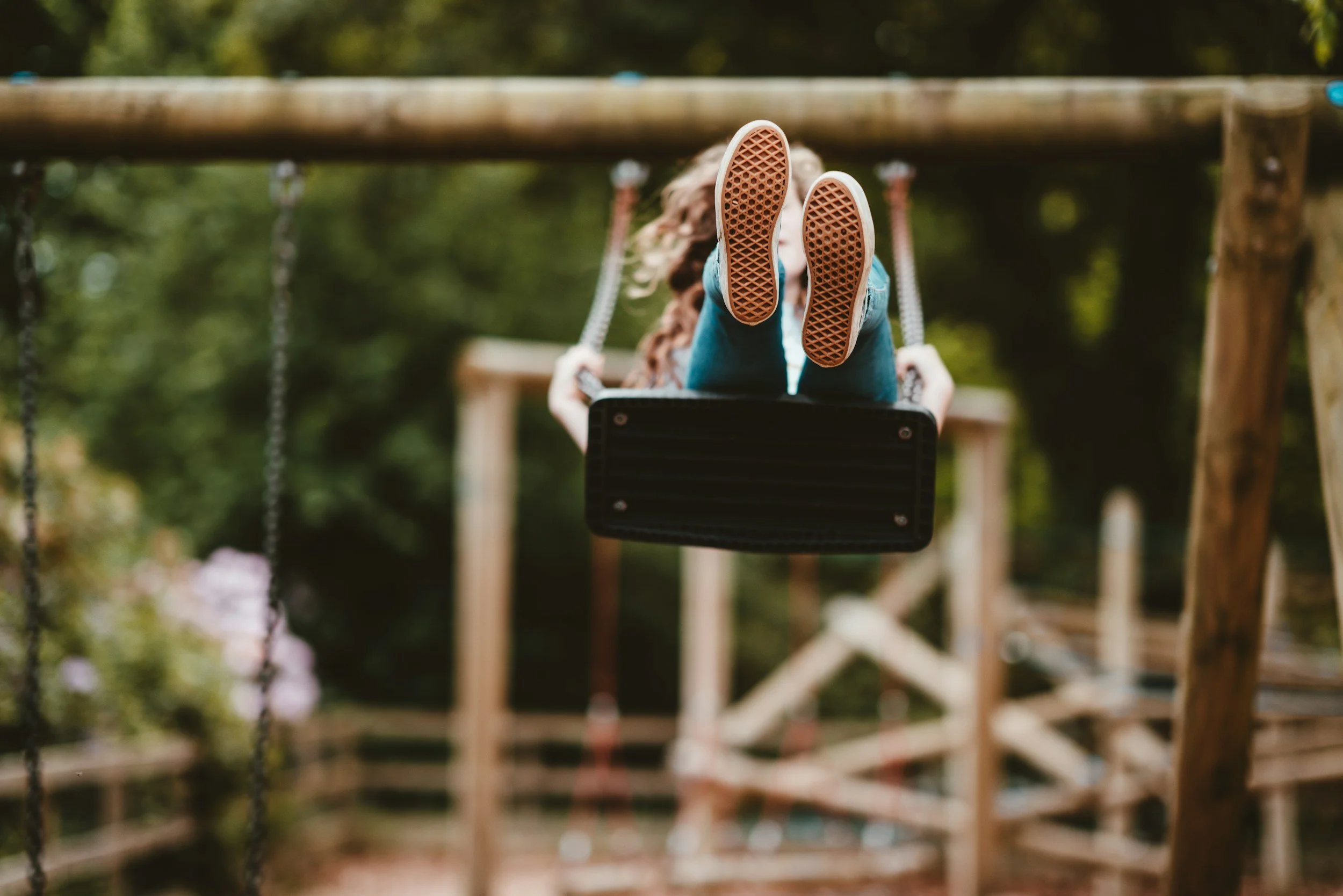
Regulation & Movement: Wobble cushions, standing desks, and floor mats allow movement for self-regulation. Dedicated low stimulus calm spaces are freely accessible before distress escalates, never used as a punishment.
2. Predictability and Visual Structure
Uncertainty breeds anxiety. Autism friendly schools transform unpredictable school days into clear, manageable structures.
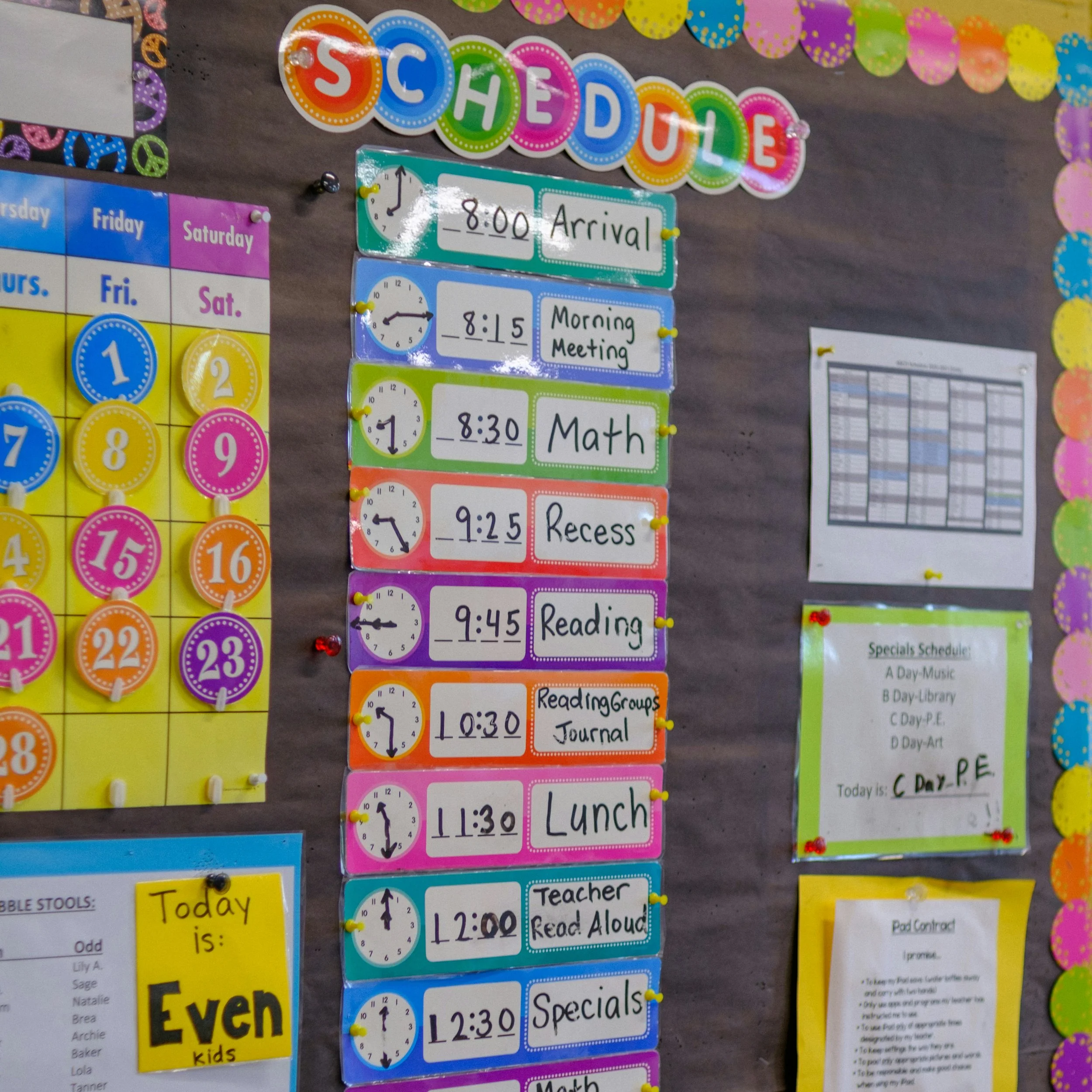
Visual Timetables: Classrooms use symbol supported schedules so pupils always know what is happening now and next.
Prepared Transitions: Changes to daily routines, such as substitute teachers, fire drills, or school trips, are previewed in advance using visual social stories.
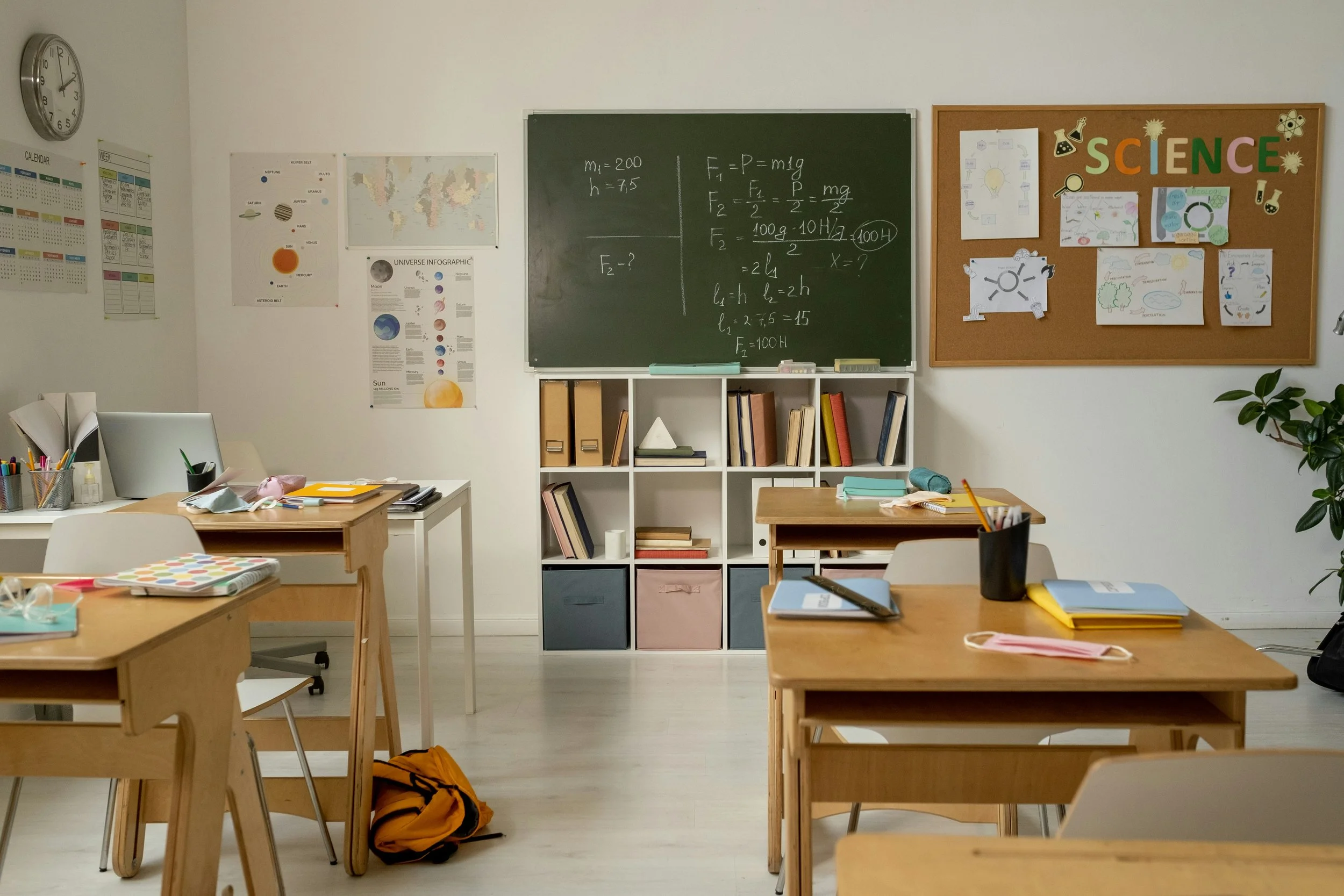
Intuitive Layouts: Classrooms are clutter-free with clearly defined learning zones that make spatial expectations obvious.

3. Relational Support Over Rigid Discipline
Traditional discipline often misinterprets sensory overload or distress as deliberate misbehavior. Inclusive schools swap rigid compliance models for empathy and understanding.
Root Cause Focus: Staff identify sensory triggers or emotional stressors behind meltdowns rather than issuing detentions or sanctions.
Sensory Friendly Policies: Rigid uniform rules are relaxed to accommodate sensitivities to stiff fabrics, tags, or heavy footwear.
Quiet Break Alternatives: Peaceful alternatives to chaotic playgrounds, such as library retreats, chess clubs, or sensory gardens give students space to recharge.
4. Total Communication and Flexible Learning
Education is not one-size-fits-all, and spoken speech is not the only valid form of communication.
Total Communication: AAC devices, picture exchange systems, gestures, and written text are fully supported and normalized across the whole school.
Interest Led Engagement: A student’s deep passions are actively integrated into lessons to increase engagement and focus.
Adaptable Assessment: Students demonstrate knowledge through visual projects, practical demonstrations, or oral explanations, rather than relying solely on timed written exams.

5. Genuine Partnership and Listening
An autism friendly school continuously learns from autistic voices and respects lived experiences.
Student Centered Input: Autistic pupils are directly involved in shaping their own accommodations and learning goals.
Parent Collaboration: Families are respected as essential expert partners who know their child best.
Whole-Staff Training: Continuous neurodiversity training involves all staff members and prioritizes perspectives from neurodivergent professionals.
The Universal Benefit
Designing a school around neurodivergent needs creates a powerful "curb-cut effect." When a school reduces sensory strain, clarifies visual communication, and offers flexible learning pathways, every student benefits. An autism friendly school doesn't just support autistic pupils, it builds a kinder, calmer, and more effective learning community for everyone.