
School Burnout in Autistic Children and Teens: Understanding the Signs and How to Help
When school becomes too much, it can be incredibly difficult for both children and their parents. A child who once managed school reasonably well may suddenly become exhausted, distressed, unable to attend, or overwhelmed by everyday demands.
For parents, this can leave you wondering: Is this anxiety? School avoidance? Autistic burnout? Or something else? And, most importantly, how can I help my child?
Understanding school burnout in autistic children and teenagers can be an important first step.

What is school burnout?
School burnout occurs when the demands placed on a child or young person consistently exceed their capacity to cope. For autistic children and teenagers, school can involve much more than academic learning. Alongside lessons and homework, they may be managing:
Sensory sensitivities such as noise, lighting and busy environments
Social communication and navigating friendships
Changes to routine and unexpected events
Transitions between lessons and activities
Pressure to behave or communicate in socially expected ways
Masking or hiding difficulties in school
Anxiety around making mistakes or getting things “wrong”
Executive functioning demands such as organisation, planning and starting tasks
A child may appear to be coping at school while using an enormous amount of energy to manage these demands. Over time, this can lead to significant exhaustion and burnout.
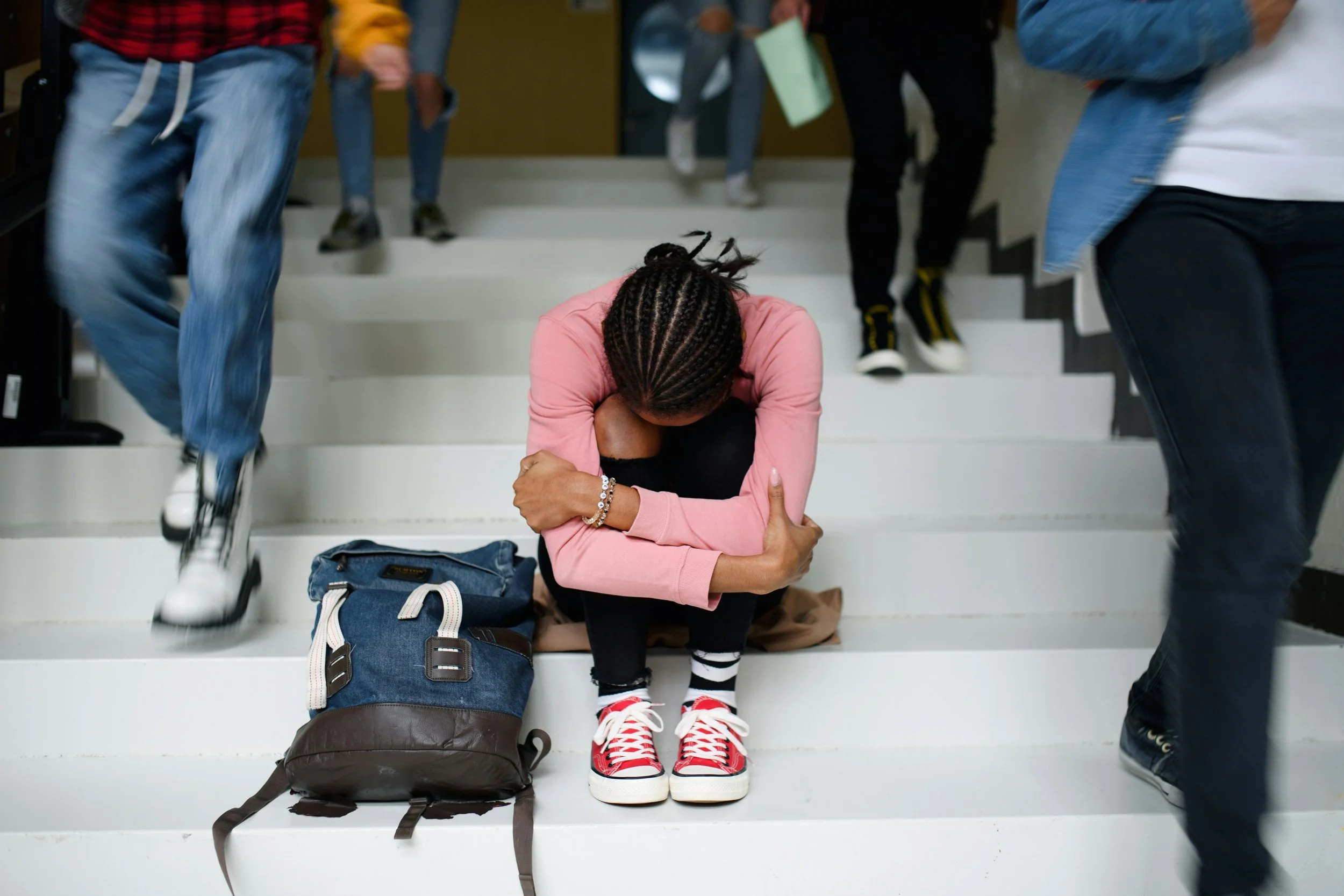
What are the signs of school burnout?
Burnout can look different for every child. Some children may become visibly distressed, while others may become very quiet or withdraw. Parents might notice:
Extreme tiredness or needing much more sleep
Increased anxiety around school
Difficulty getting ready for school or leaving the house
School refusal or emotionally based school avoidance (EBSA)
Increased meltdowns or shutdowns
Becoming overwhelmed by things they previously managed
Increased sensory sensitivities
Difficulties communicating or finding the words to explain how they feel
Losing interest in hobbies and activities they usually enjoy
Spending much more time alone or needing significant downtime
Increased rigidity or difficulty coping with changes
A noticeable reduction in previously developed skill
It is important to remember that school avoidance is not necessarily a choice. For some autistic children, not being able to attend school may be a sign that their current environment and demands have become unmanageable.
When behaviour is communication
One of the most helpful ways of understanding burnout is to look beyond the behaviour.
Instead of asking: “How do we get them to go to school?” We can also ask: “What is making school so difficult for them?”
A child who refuses to leave the house may be communicating that they are overwhelmed. A teenager who spends hours in their bedroom may be trying to recover from the demands of the school day. A child who has frequent meltdowns after school may have spent the entire day holding everything together and finally feel safe enough to release those emotions at home.
This doesn't mean that boundaries and expectations are unimportant. It means that understanding the underlying need can help us respond more effectively.
How can parents support a child experiencing burnout?
There is no single approach that works for every child, but there are some helpful principles.
Reduce unnecessary demands
When a child is already overwhelmed, adding further pressure can sometimes make things worse. Consider what is essential and what could temporarily be reduced.
Prioritise recovery time
Rest and downtime are not rewards for completing tasks. They may be essential to recovery. Quiet time, sleep, movement, special interests and comforting activities can all provide opportunities to recharge.
Listen before trying to solve the problem
Children don't always need an immediate solution. Sometimes they need to know that their parents understand how difficult things feel.
Try asking: “What is the hardest part of school at the moment?” rather than simply focusing on attendance.
Work together with school
Supporting a child experiencing school burnout often requires collaboration between home and school. It may be helpful to consider sensory needs, workload, transitions, social demands, communication, timetables and opportunities for recovery.
The aim shouldn't simply be getting a child back through the school gates. It should be understanding what has made school unmanageable and creating the conditions that allow them to feel safe and able to learn.
Remember the parent too
Supporting a child through school burnout can be exhausting. Parents can experience worry, guilt, frustration and uncertainty, particularly when they feel they are constantly having to advocate for their child.
You don't have to have all the answers.

You are not alone
If your autistic child or teenager is struggling with school, you may sometimes feel isolated or as though nobody else truly understands what your family is experiencing.
Connecting with other parents can make a significant difference.
Our parenting group in January 2027 provides a safe, supportive space for parents of autistic children and teenagers experiencing school burnout. Across three one-hour sessions, we will explore:
Understanding school burnout – recognising the signs and understanding what may be happening for your child.
Understanding your child's experience – looking at school from their perspective and exploring how we can respond with greater understanding and support.
Supporting recovery and moving forward – practical strategies for home and school, while also considering parental wellbeing.
Most importantly, the group is a place where parents can be heard, share experiences and connect with other families who understand.
You don't need to have all the answers before you come. Sometimes, knowing that you and your child are not alone is the first step towards finding a way forward.
Find out more about our School Burnout Parenting Group and how to join us.